
Carry Calm: Pocket Rituals for Stressed Students
Today we explore pocket rituals for students to curb burnout and exam anxiety, sharing small, science-backed practices you can do discreetly between classes, on buses, or outside exam halls. Picture a tiny toolkit you can carry anywhere: quick breaths, grounding moves, and compassionate self-talk. These rituals helped Maya, a biology sophomore, recover her focus after weeks of overload. Try them, adapt them to your rhythm, and tell us which ones stick. Your comments, questions, and subscriptions help shape future guides.
Reset in Sixty Seconds
When stress spikes, long routines often feel impossible. A sixty-second reset gives you a portable interruption to spiraling thoughts, nudging your nervous system toward steadier ground. These tiny sequences restore a sense of control before it slips away, whether you are outside a lecture hall or staring at a blank quiz page. Practice when calm, deploy during crunch time, and celebrate small wins. Share your favorite one-minute reset below so others can borrow courage from your experience.






Study Flow Without the Strain
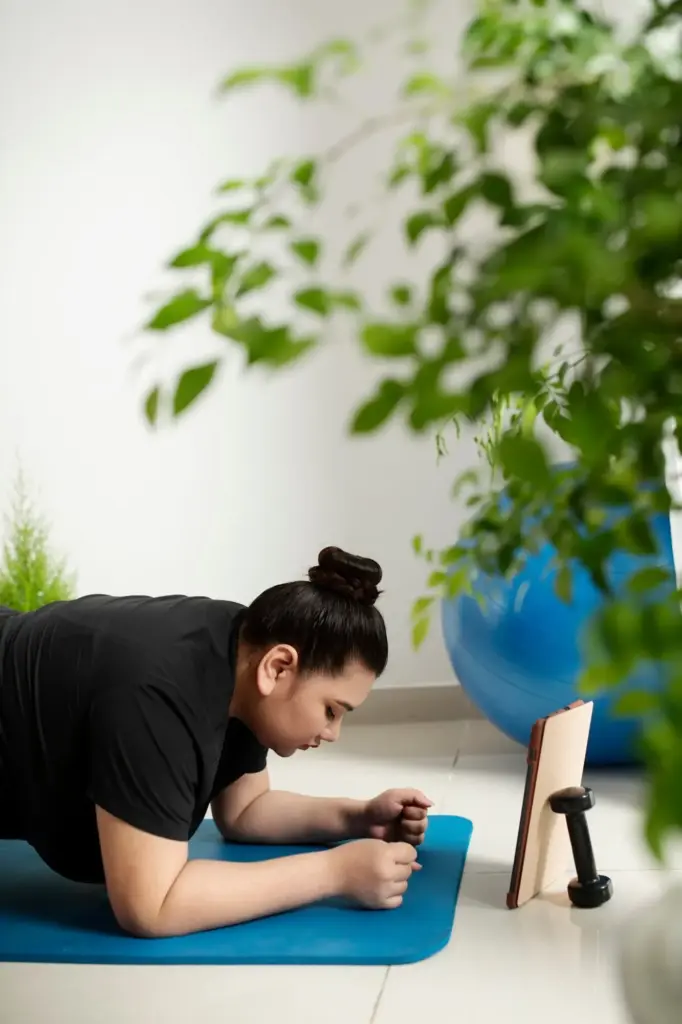
Sustainable productivity favors rhythm over push. Instead of heroic marathons, create pockets of focus punctuated by nutrient breaks for body and attention. Align tasks with natural energy waves and keep friction low. Tiny cues help you enter flow quickly without elaborate setups. Discreet rituals reduce performance pressure by giving your brain familiar doorways into concentration. Let these ideas meet your style, not the other way around. Report back with tweaks that made your sessions gentler and surprisingly more effective.
Compassion On-The-Go
Self-criticism promises motivation yet often delivers paralysis. Portable compassion rituals rebuild safety so effort can return. Replace harsh inner commentary with practical kindness that keeps momentum. You do not need perfect confidence to take the next step; you only need less resistance. These brief practices respect reality while restoring courage. They fit into pockets, hallways, and bus rides. When you try one, notice the shift from stuck to steady, then tell us which line or gesture helped most today.
The Friend Test
When you fumble a quiz or forget a deadline, imagine a close friend in your place. What would you say to them right now? Likely something honest and humane: That was rough, but you are learning skills for next time. Speak that sentence to yourself, softly, once or twice. Compassion does not erase responsibility; it restores capacity to repair. Pair this with one immediate micro-step, like emailing your professor. Record the sentence somewhere portable and revisit it before difficult conversations.
Hand-to-Heart Reset
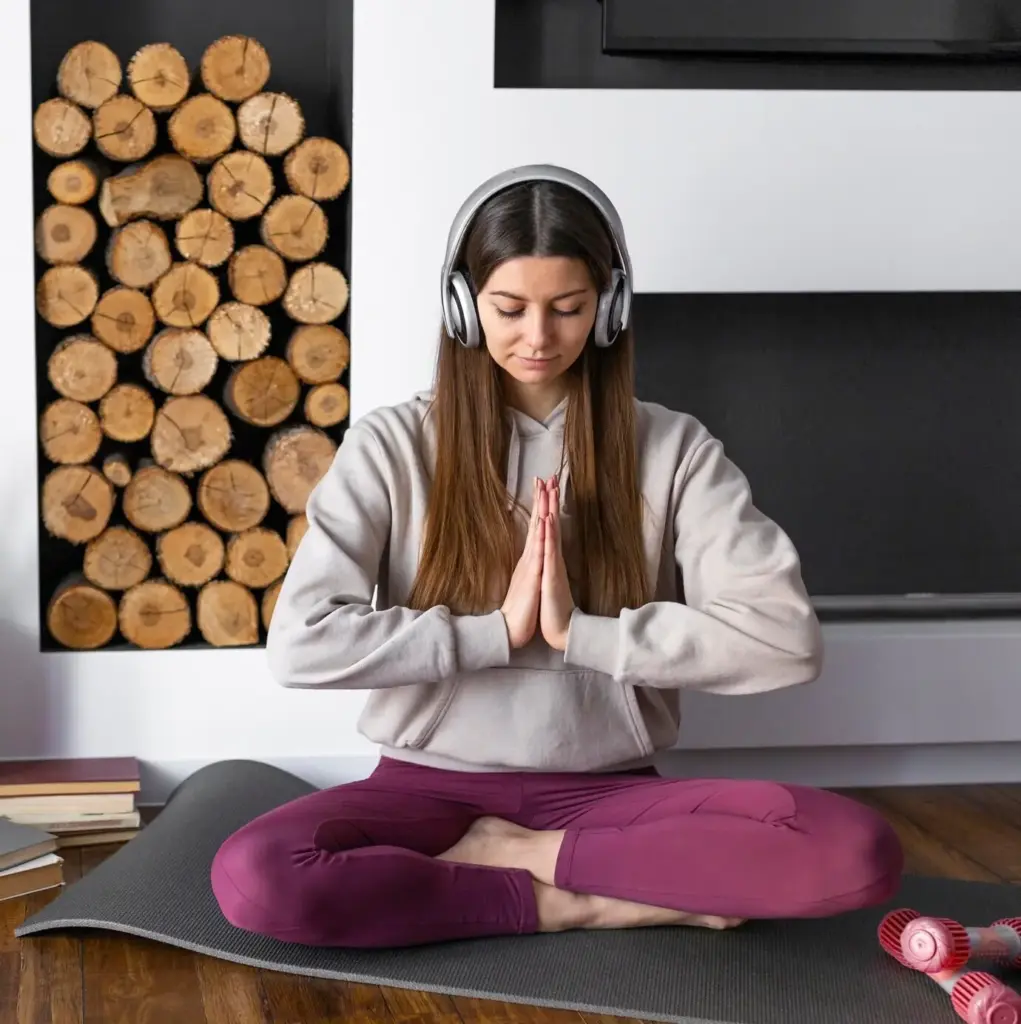
Place a warm palm over your heart and another on your belly, inhale gently, exhale longer. This posture can increase felt safety and slow racing thoughts by engaging parasympathetic pathways. Whisper a grounding statement: It is safe to take one small step. Let shoulders drop. If you prefer subtlety, press your palm against your jacket instead. Notice temperature, weight, and support. After three breaths, choose a single doable action. Share whether this simple gesture helped you reenter focus with less struggle.
Name It to Tame It
Quietly label what you feel: anxious and rushed, or overwhelmed and foggy. Research suggests naming emotions can reduce amygdala activation and increase prefrontal regulation. Use plain words. Then add because, to clarify context: because I slept poorly and skipped breakfast. Offer a next step: therefore, I’ll review summaries first. This sequence transforms vague dread into a plan. Keep a tiny feelings list on a note in your wallet. Tell us your go-to words and how they changed your next move.
Sleep Anchors You Can Pocket
Recovery is not a luxury; it is fuel for recall, reasoning, and mood. Pocket-sized anchors can gently guide your body toward rest even during exam weeks. Instead of overhauling everything, choose small, consistent cues your brain learns to trust. Light, movement, and wind-down rituals matter more than perfection. Use these anchors to stabilize evenings so mornings feel workable. Notice improvements in attention after several nights, not just one. Share your simplest, sustainable sleep helper so classmates can borrow it this season.
Arrive and Align
Reach the room a few minutes early. Stand tall, soften knees, and exhale longer than you inhale. Touch your grounding token and read your short cue: Begin with what’s clear. Scan the instructions without urgency, underline verbs, and mark easy points first. This front-loading of momentum calms threat signals. If nerves surge, repeat one quiet box breath. The goal is steady entry, not instant confidence. Drop a note afterward describing which arrival step lifted pressure quickly, so peers can borrow it.
Mid-Exam Recenter

When your mind blanks or speeds, put the pencil down for ten seconds, relax your jaw, and let your eyes focus on a distant corner. Whisper, Next step only. Take one slow breath with a longer exhale, then reopen to a question you can partially answer. Partial progress often reignites recall. If hunger distracts, sip water or use a mint to reset senses. Schedule these micro-pauses between sections. Tell us which refocus cue worked best without eating too much time.
Close Strong

With five minutes left, stop new solving. Scan for unanswered items, arithmetic slips, or missing names. Trace answer sheets with your finger to catch alignment errors. Take one gratitude breath for the effort made, regardless of outcome. This fosters resilience for the next exam. After turning it in, step outside, stretch, and jot two notes: what helped and what to tweak. Release the rest. Share your strongest closing habit so others can finish with steadier minds and kinder self-talk.
All Rights Reserved.